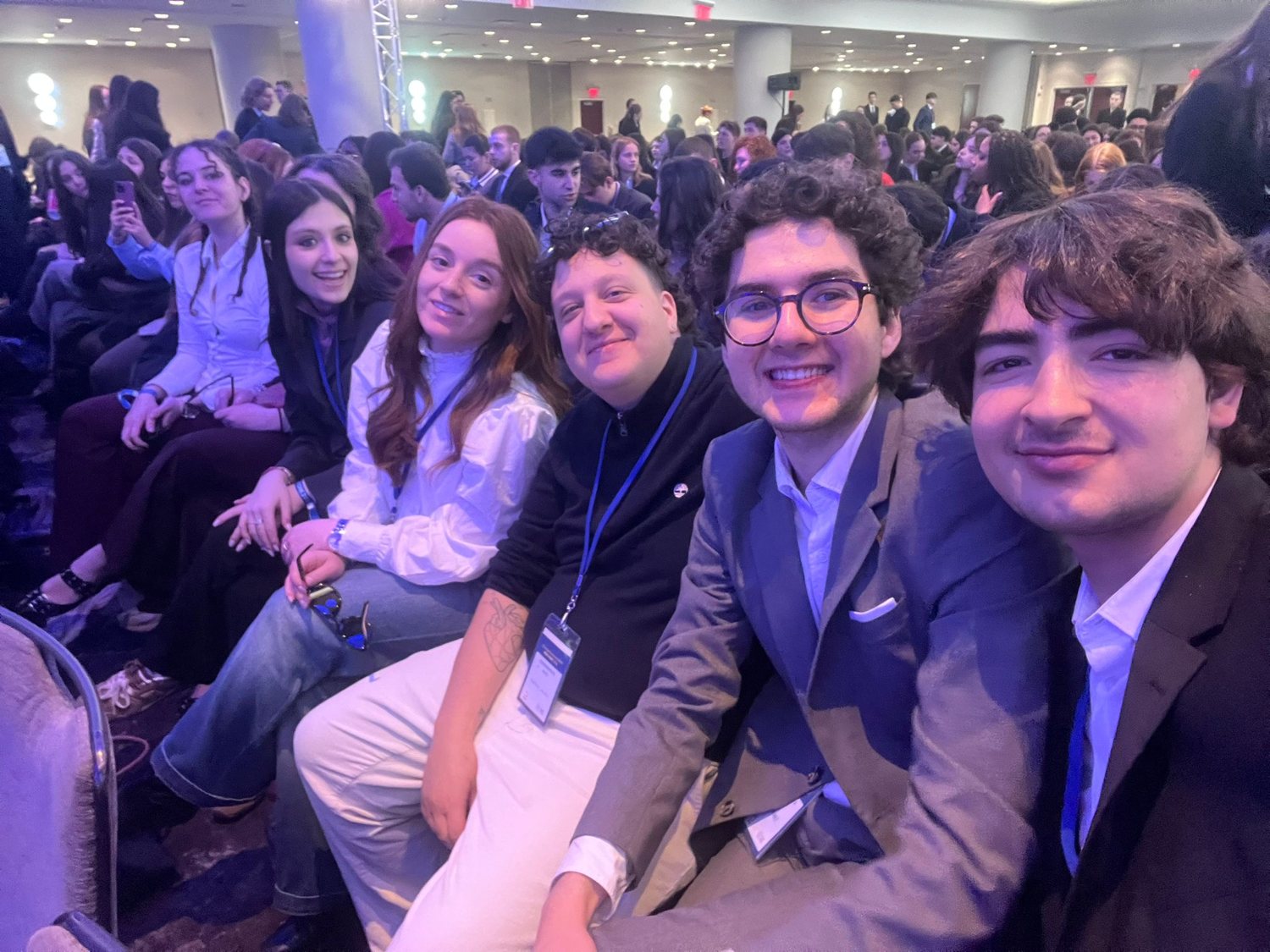
The experience
What it was.
How the course worked
The organisers form groups of two or more people, depending on the problem to be solved. Each problem is presented by a specific representative, and each group stands for a country.
My challenge
My problem came from the World Health Organization (WHO): how a country's internal health data is shared, during an epidemic or simply as a matter of routine. My group represented Equatorial Guinea.
What my group proposedThe question was whether countries should be forced to share health data and pathogens in real time. Our position as Equatorial Guinea was that sharing has to come with equity and capacity-building, not as a one-sided obligation. We wrote a position paper with five proposals:
- A fair access and benefit-sharing framework. Technology transfer comes first, and part of the royalties on vaccines made from shared pathogens (20% in our proposal) goes back to the countries that shared them.
- An African pathogen data hub. A platform hosted by the African Union, for secure sharing between countries in the region.
- A national health security plan. A five-year roadmap with laboratories, trained technicians and surveillance.
- Green incentives. Linking pathogen sharing to carbon credits from the rainforest, to fund health infrastructure.
- Tiered compliance. First aggregated data, then genomic sequences once technology has been transferred, and only then physical samples, under reciprocity treaties.
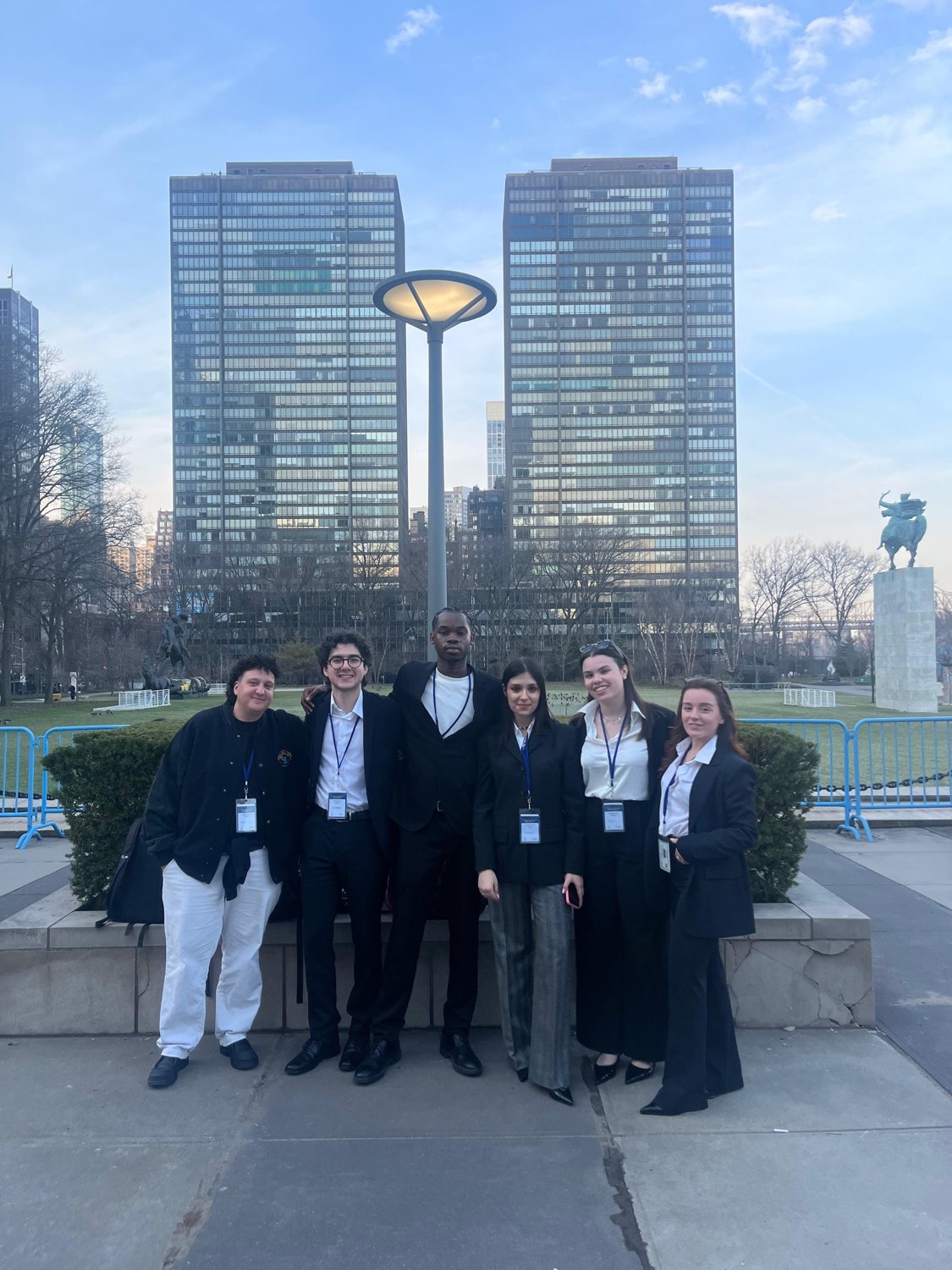
How we worked togetherEach country had two delegates, and we were two for Equatorial Guinea. Over the three days, debate, voting and open discussion among all the countries took turns. We all understood quickly how important it is to listen to everyone's needs without losing sight of the heart of the discussion.
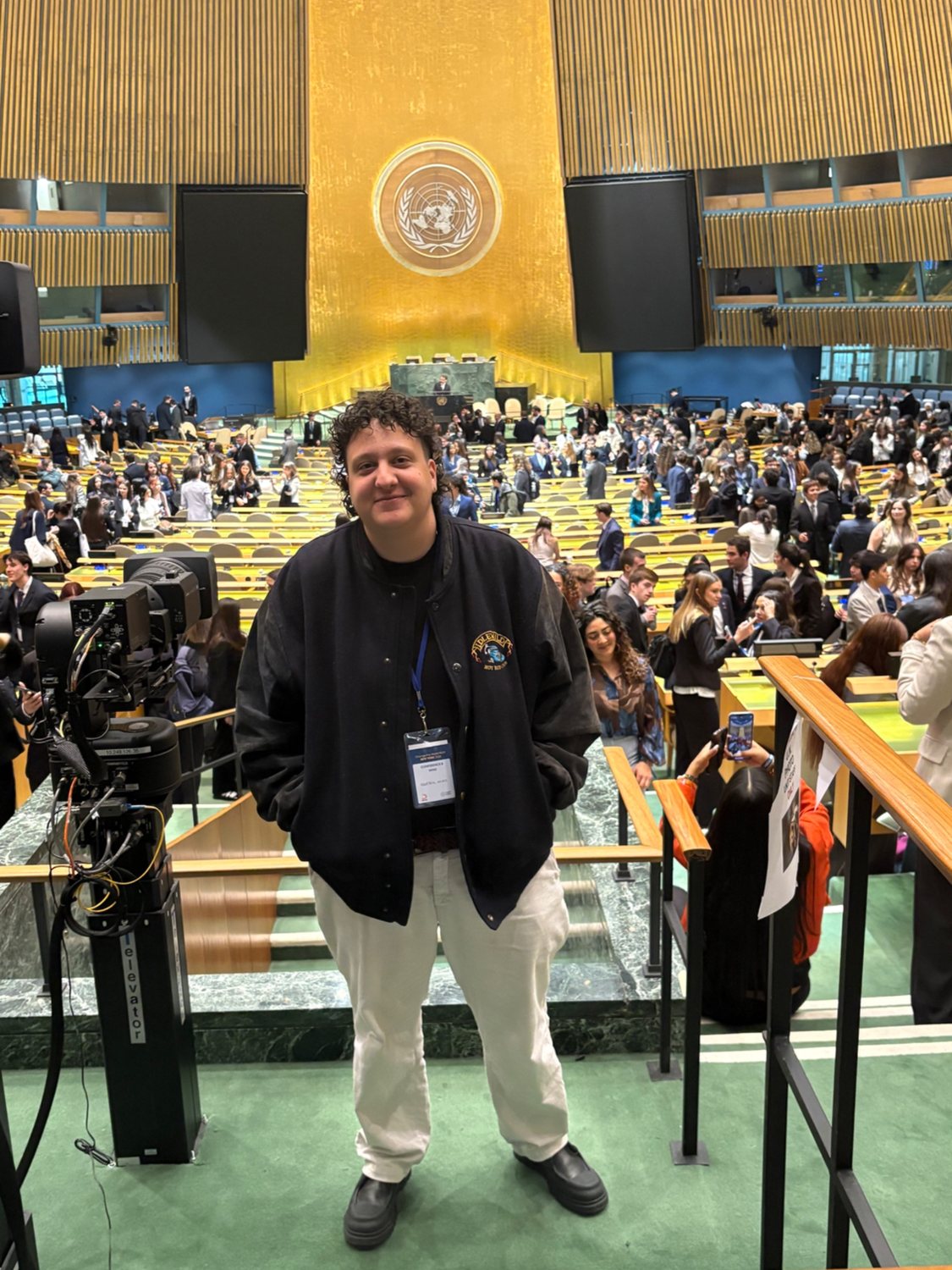
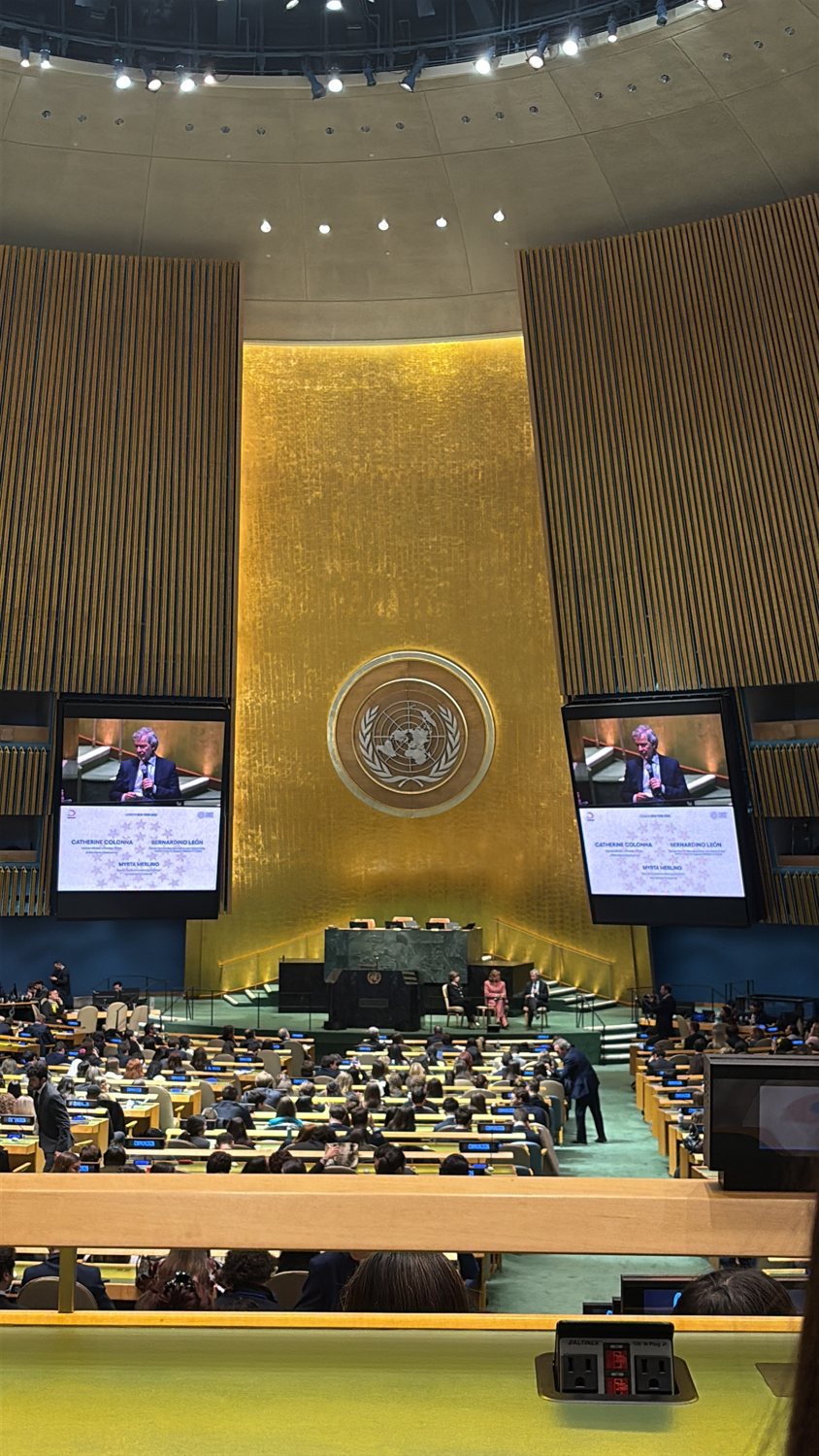
The moment that stayed with meThe most moving moment of the whole programme was walking into the United Nations headquarters in New York, a place so many important figures have passed through. It is truly majestic.
The programme is the Change the World Model United Nations (CWMUN), promoted by Associazione Diplomatici and the Change the World Academy. Sources: La Voce di New York, 27 March 2026 (over 4,000 students from more than 140 countries at the 2026 edition); Best Delegate (Associazione Diplomatici, founded in Catania in 2000); programme page (2027 edition).
Key facts
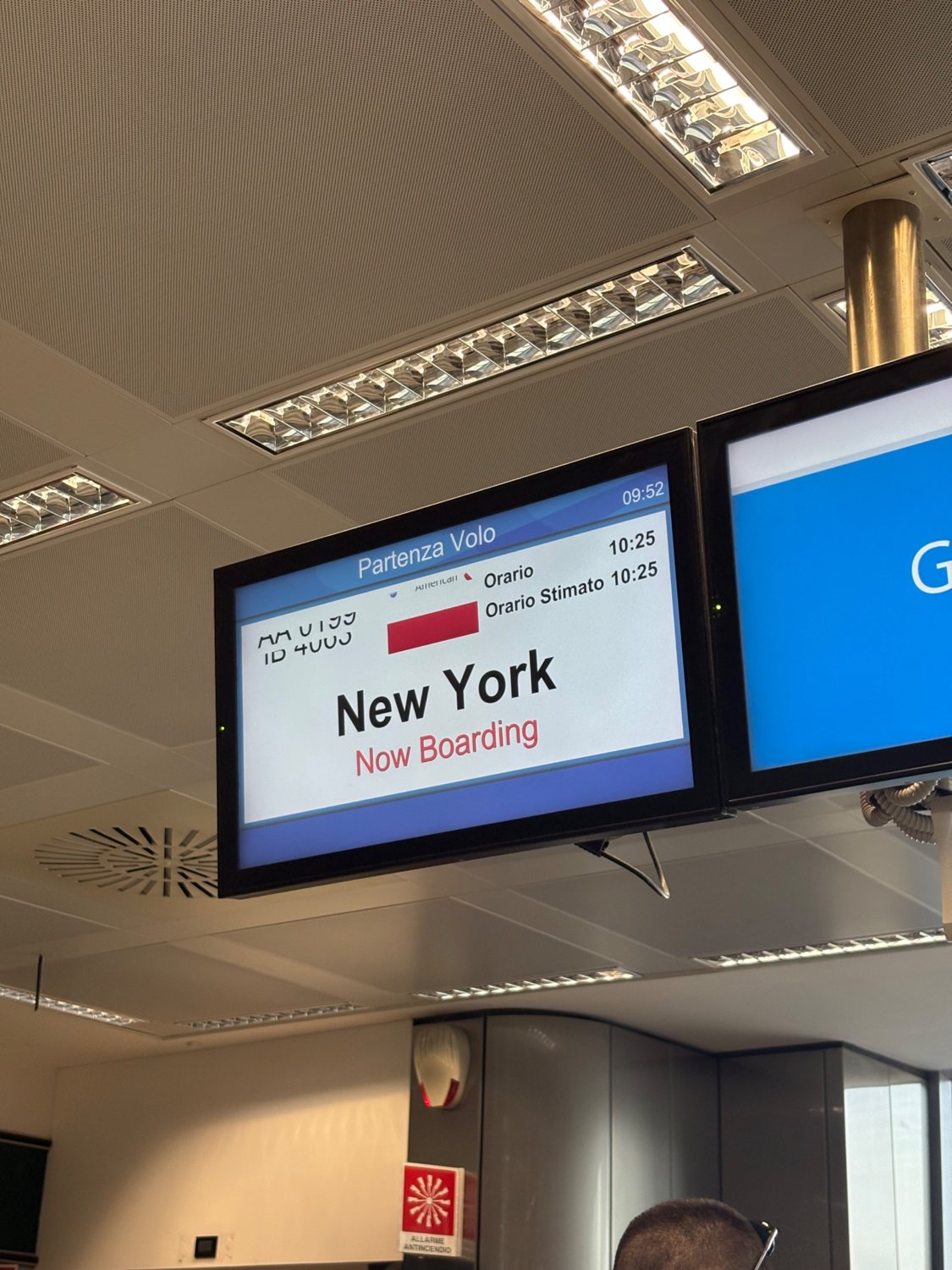
WhenLeft on 25 March 2026. Five days in total, three of them full programme days
WhereNew York
ProgrammeChange the World Model United Nations (CWMUN)
OrganiserAssociazione Diplomatici, founded in Catania in 2000
My roleDelegate for Equatorial Guinea
ChallengeSharing health data, set by the WHO