Who
A thesis project that wants company.
I am Rachele Pellissoni, and World Change Project is my thesis project at Politecnico di Torino. It is built to grow beyond one person, so this part is about me, the skills around the table and what we care about.
About me
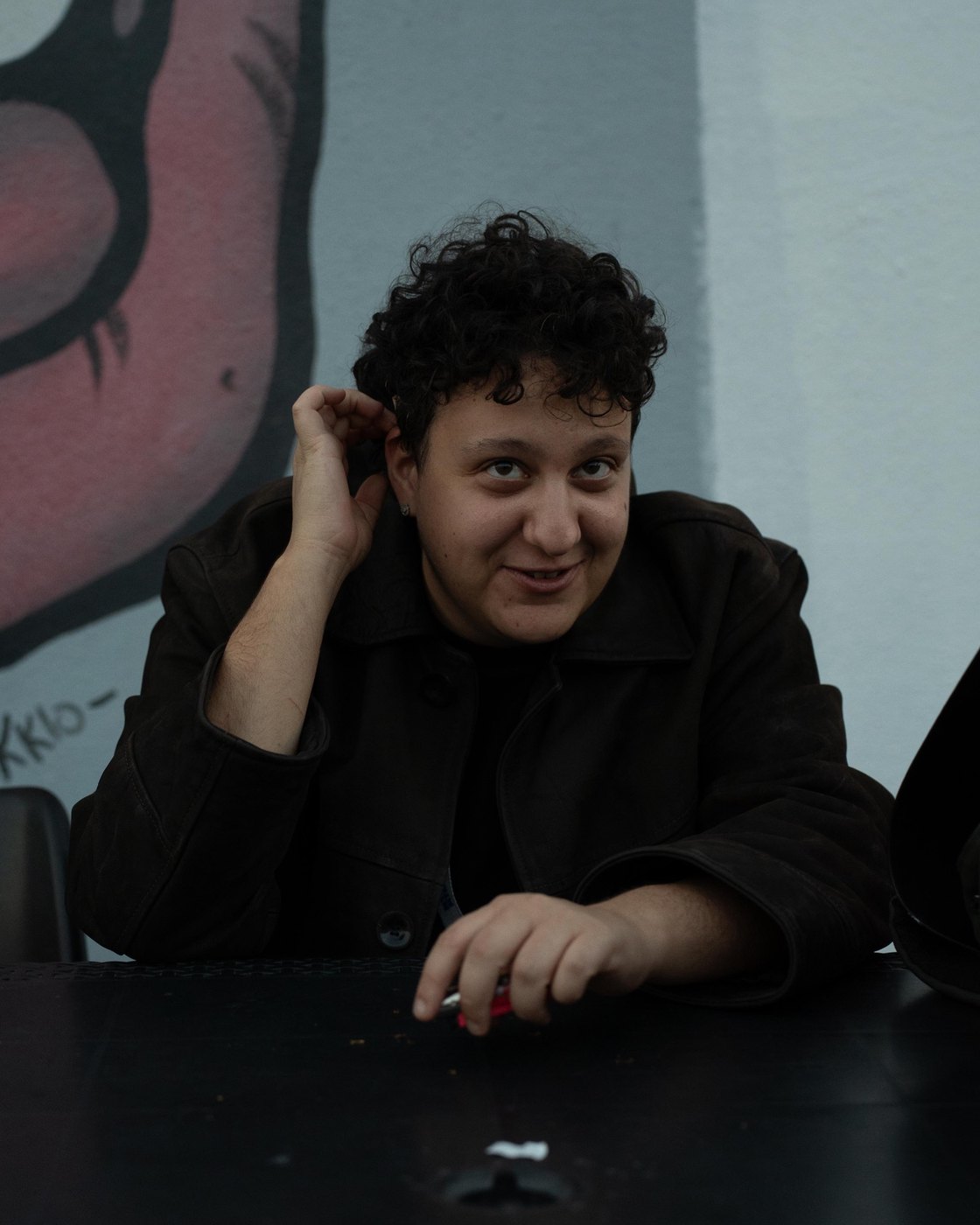
I am Rachele Pellissoni. I was born in Milan and I live in Turin. I studied Product Design at IED in Milan, where I learned how much research and method matter: with these two, any problem can be approached. I am now in the second year of the master's degree in Systemic Design at Politecnico di Torino, where my courses have covered the study of the territory, data analysis and representation, UX and web design.
My bachelor's thesis, an aquaponic system for women farmers in Malawi, is where this project began. Along the way I worked on a startup pitch and on the redesign of an agricultural product, and in March 2026 I represented Equatorial Guinea at the Change the World Model United Nations in New York. For me, design starts from a real need, and it matters most where food, water or health are missing: it is a tool to give people equal access to their rights and to bring stability and wellbeing to the planet.
Read my full path
Skills across disciplines
The project draws on design in its different forms, and it needs people who can read data, test ideas and run a team.
Service designSystemic designProduct designProblem solvingData and research
Values I work by
01
Real problems
I choose problems that exist, with people and places attached.
02
Data first
I look at the numbers before I draw anything.
03
Many disciplines
No single profession can solve a planetary problem alone.
04
Honest results
I show what failed as clearly as what worked.
The team, as it grows
Join the hub
I am looking for people who want to apply what they know to the real problems of the planet. These are the profiles I would like to meet, and the cards stay open until a real name takes their place.
Anthropology
Spends time with the communities the project is meant to serve and listens before anything is designed. Keeps local habits, food culture and decision-making at the centre, so solutions are wanted and not only possible.
Engineering
Designs and sizes the physical systems: structure, water, energy and climate control for the food modules. Turns a promising idea into something that can be built, powered and maintained on site.
Agronomy and food systems
Checks that the hydroponic, aquaculture and mushroom modules grow what they promise in real climates: crops, cycles, yields, water and energy. Brings the know-how of those who work the land.
What has already been done
I am not starting from zero.
Others have already tried to solve food insecurity in fragile places. I study what worked, what failed and what it means for Case 01.
See the reference cases
Why
Because hunger, heat and exclusion are already here.
The problems I start from are not predictions. They are measured, and they keep going. Food insecurity is the first one I work on, and it sits in a context of climate pressure and unequal access to education.
7.8%
of the world's population, about 645 million people, faced hunger in 2025.
Hunger has eased since the 2022 peak, yet the same report says the world is off track for zero hunger by 2030. Wars and a changing climate are what keep farmland, markets and supply chains fragile, and that is where Case 01 begins.
Read Case 01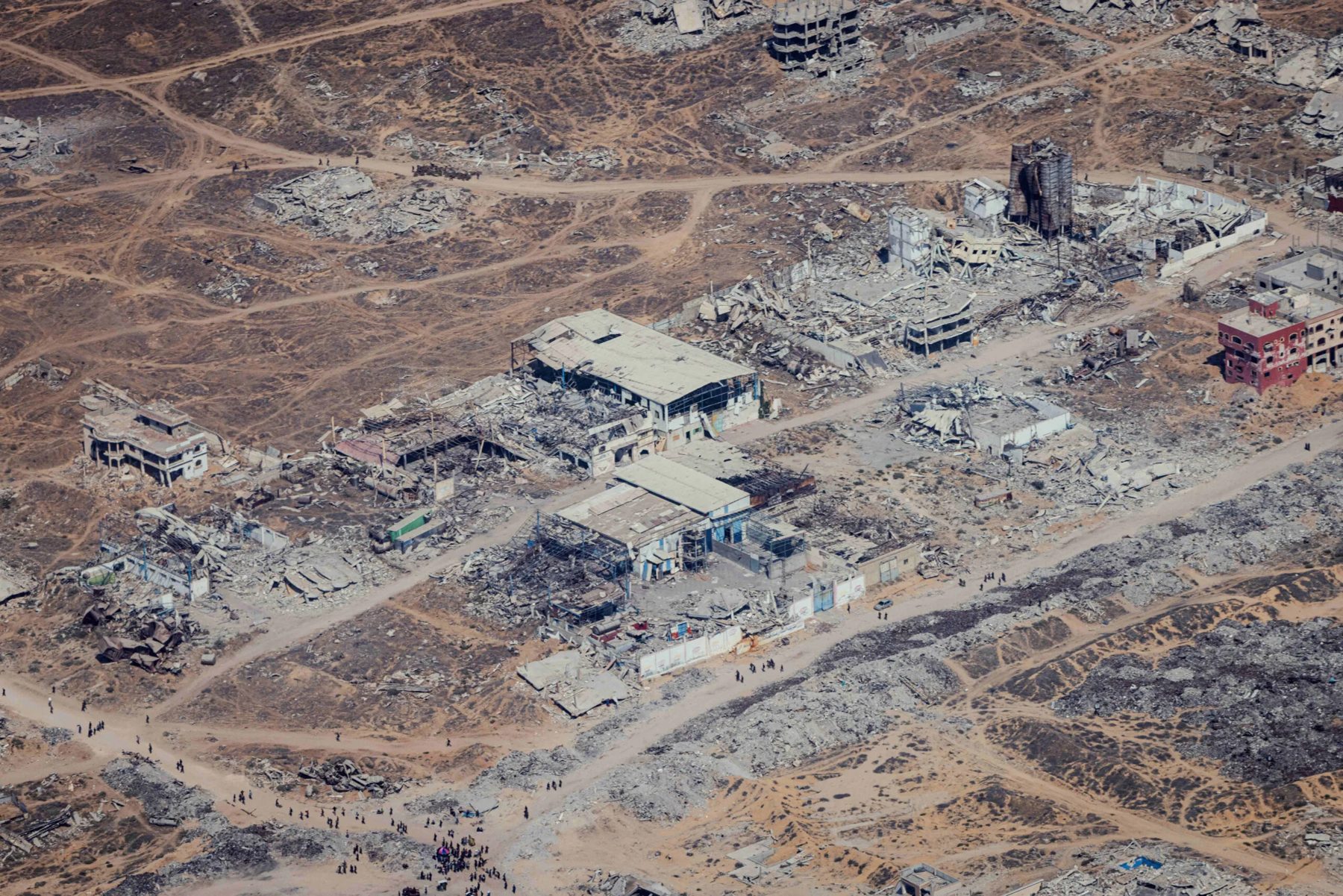
How
Design as a tool, with four moves.
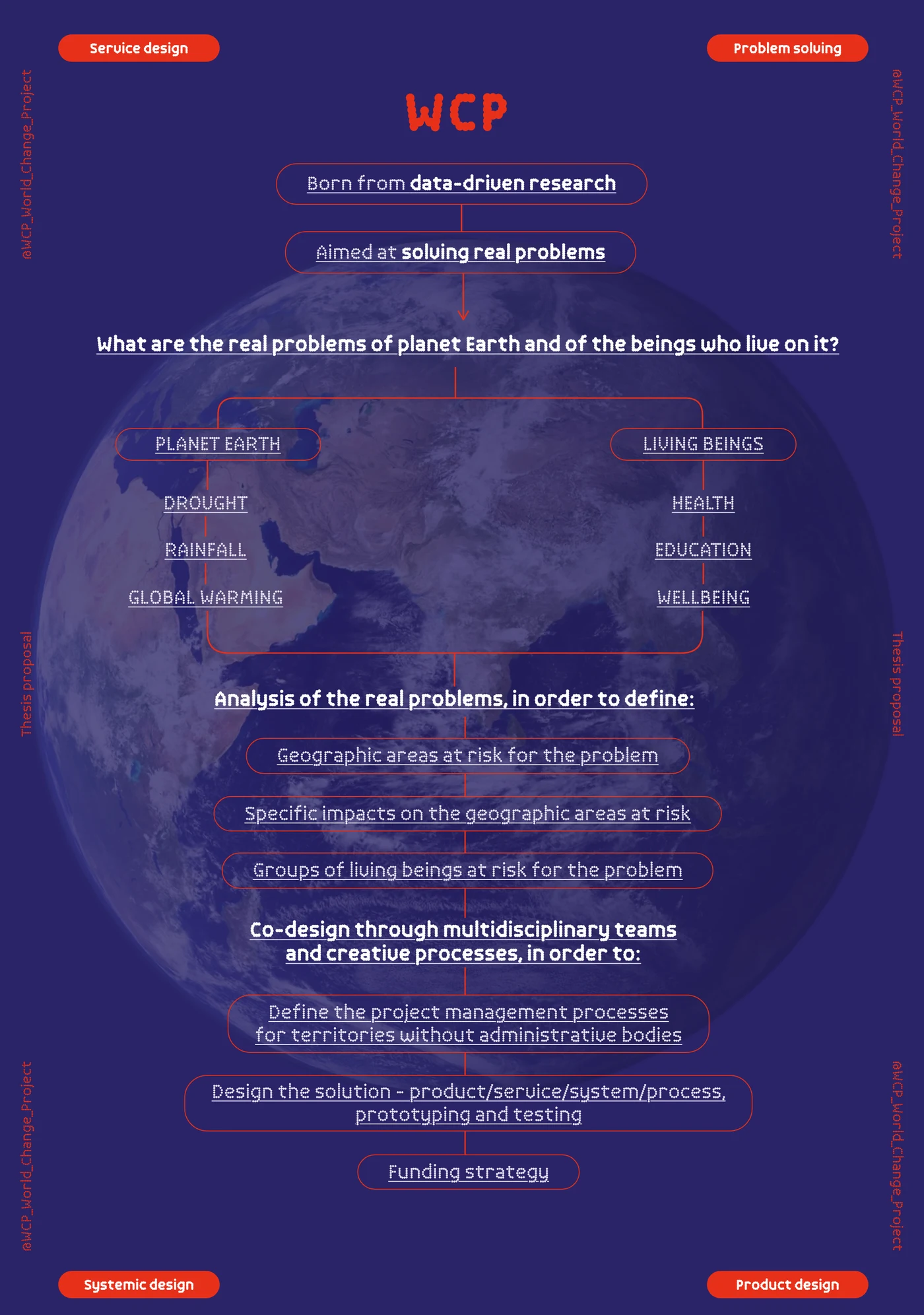
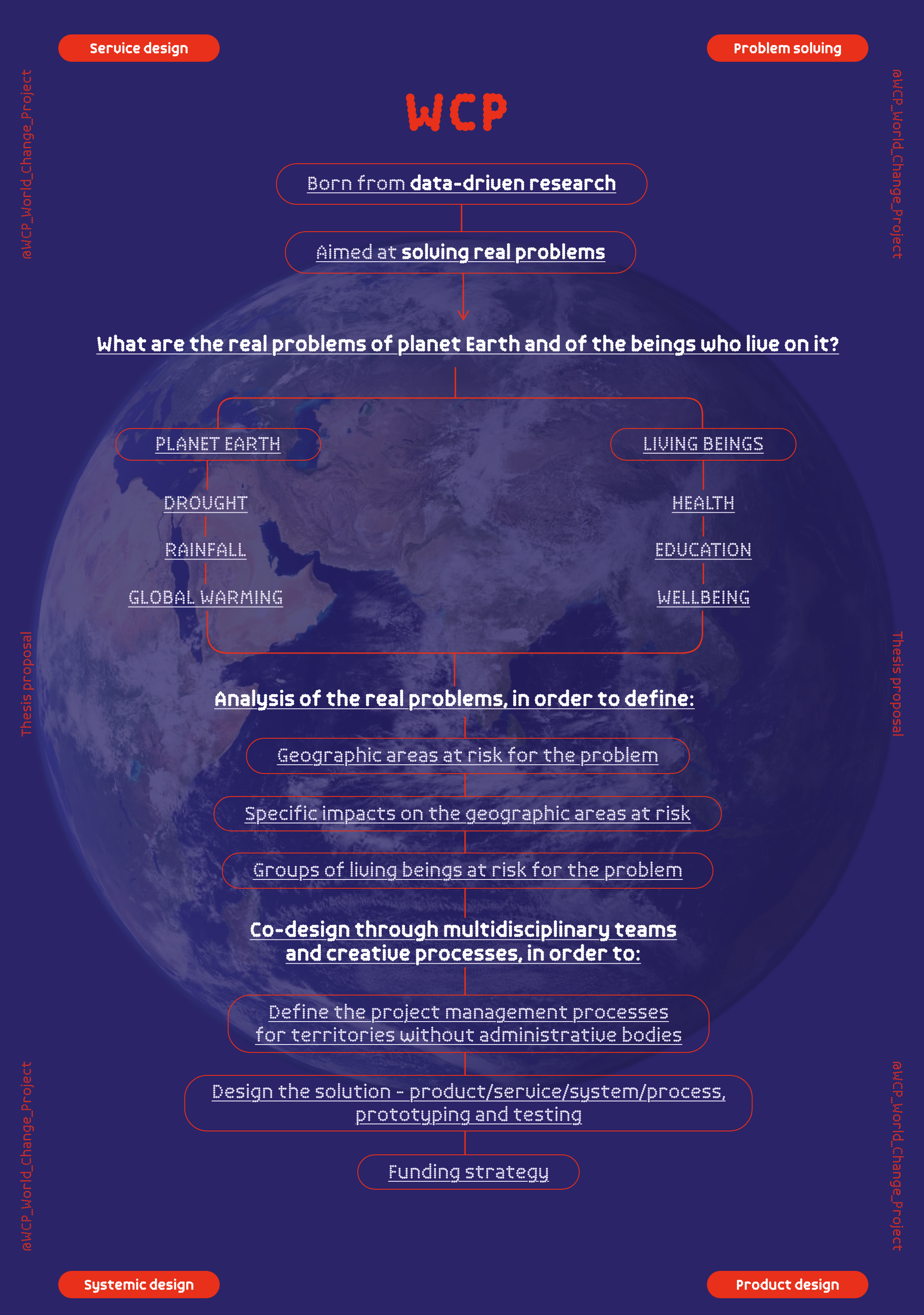
I do not use design to make things look better. I use it as a way of working: it takes a problem seen in the data and turns it into a product, a service, a system or a process that can be tested.
1
Start from data
Every project begins with research guided by data and aimed at real problems.
2
Analyse who and where
Define the areas at risk, the specific impacts on them and the groups of living beings most exposed.
3
Co-design across disciplines
Multidisciplinary teams define how the project is managed in territories without administrative bodies, then design the solution, prototype it and test it.
4
Find the funds
Build a strategy to secure the funding that lets the solution leave the page.