Case 01Reference cases
How I read each case
Four questions for every case.
Every case below is described the same way, so that different kinds of aid can be compared and so that what I learn goes straight back into Case 01.
The cases
What others have already done.
Five cases in places of hardship, mostly rural, that work on primary rights: food, education and health. The first ones come from my bachelor's thesis, where this project started. Click a marker on the map to jump to its card. UNICEF works in 190 countries, so it has no marker. The map grows as I add cases.
DonationsRegular or one-off gifts through associations. They fill needs in food, health and money, but when they stop, nothing is left.Cases: A
Education programmesTeaching in existing spaces, or building schools. It leaves know-how that can be passed on.Cases: B
Practical workshops and replicable methodsPhysical solutions and the know-how to copy them. In my thesis this is the kind that tackles the problem at its root.Cases: C, D, E
 Health and nutrition · Worldwide
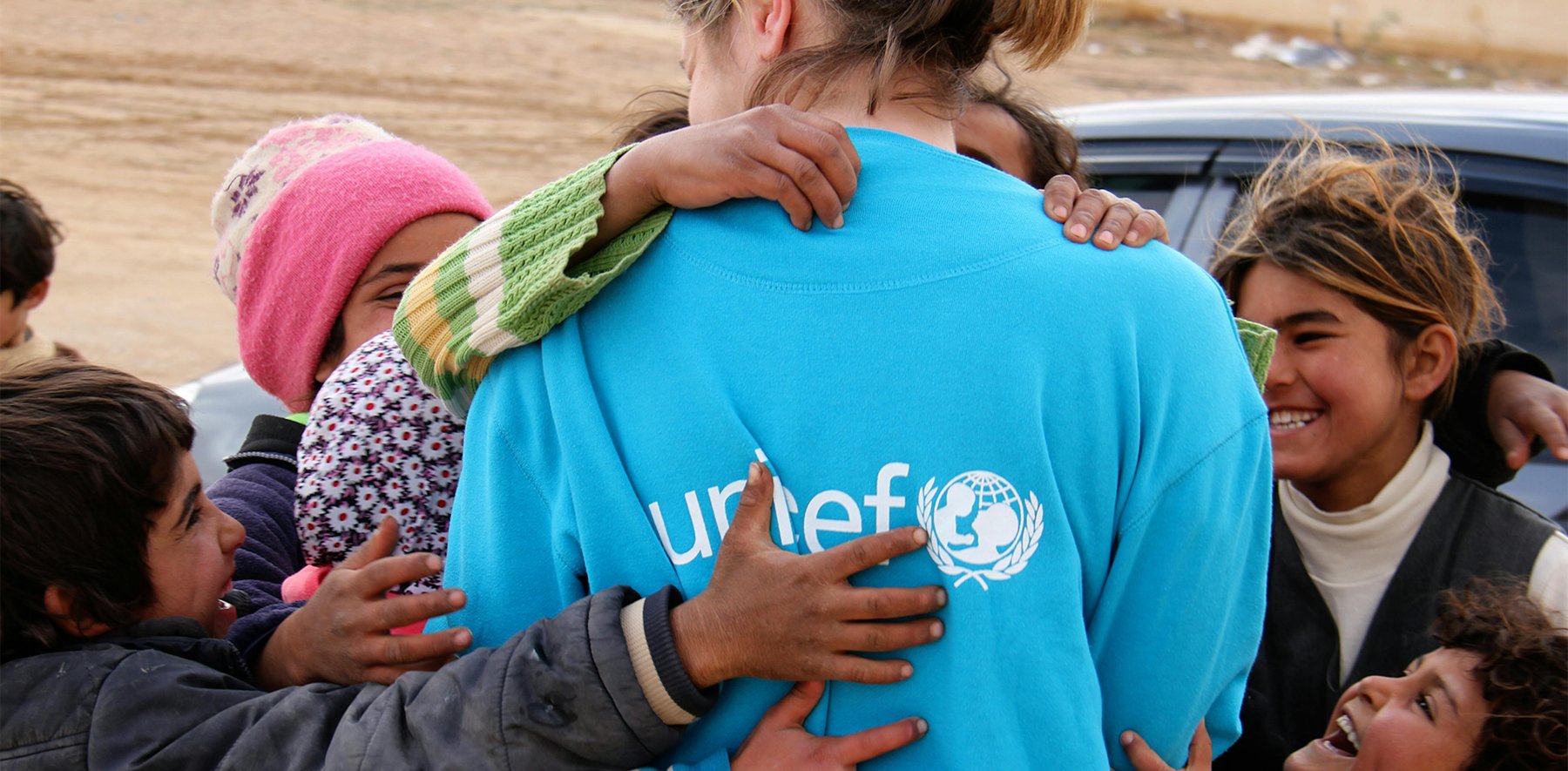
UNICEF
Kind of aid: Donations
UNICEF is the United Nations agency for children, present in 190 countries. Its work covers emergencies, nutrition, water and child protection. In my bachelor's thesis it is the example of aid through donations, regular or one-off, made through associations.
What I noted: donations fill needs in different sectors, but when they stop, the people helped are left with nothing.
Source: UNICEF Italia · Major gifts page · Photo: UNICEF Italia
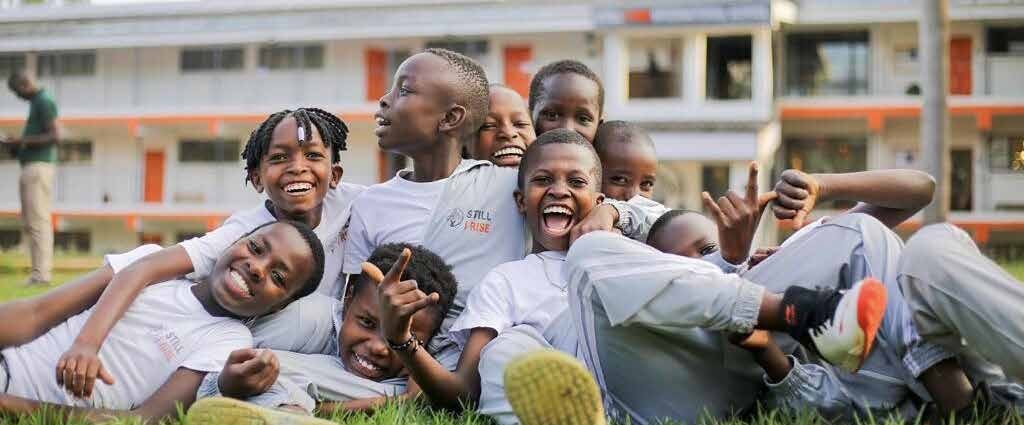 Photo: Still I Rise, from my bachelor's thesis.
Education · Nairobi, Kenya
Still I Rise
Kind of aid: Education programme
An Italian non-profit that opens international schools for destitute and refugee children. Its school in Nairobi is in Mathare, an informal settlement of about 600,000 people, where most live on less than US$1 a day. It offers the International Baccalaureate (IB) curriculum free of charge and gives every student household small solar-charged batteries.
134 students enrolled, 49% Kenyan and 51% refugees, with room for about 280 a year, according to the case study.
Source: A4ID case study
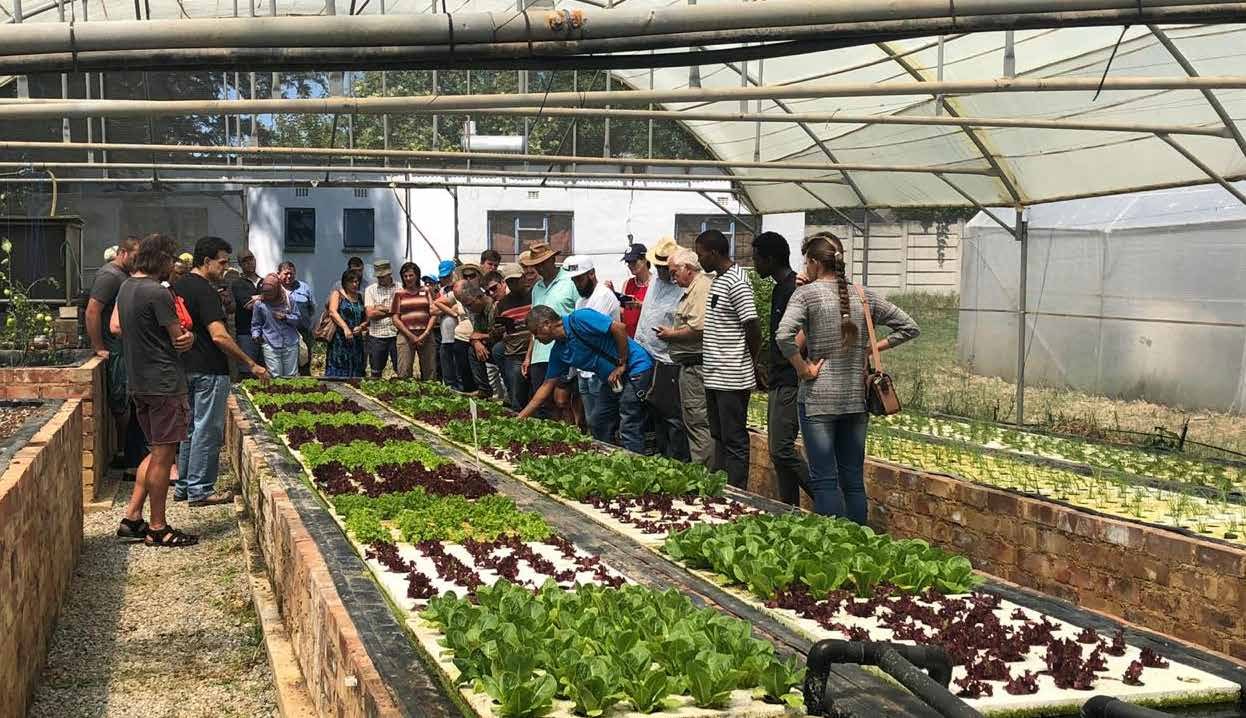 Photo: INMED South Africa, from my bachelor's thesis.
Food and work · Free State, South Africa
INMED South Africa
Kind of aid: Practical workshops
INMED South Africa runs the Adaptive Agriculture Program, which trains small-scale farmers with disabilities, mostly women and youth, to grow food with aquaponics: fish farming and hydroponics in one closed system. The systems sit at accessible heights, can allow wheelchair access and need little physical effort to maintain.
In 2020, nearly 100 farmers at three cooperatives (Hennenman, Wesselbron and Kroonstad) benefited, and about 90 learned to plant seeds and produce seedlings. The sources give no production or income figures.
Source: HortiDaily, 2020 · Food Tank
 Food · Nigeria
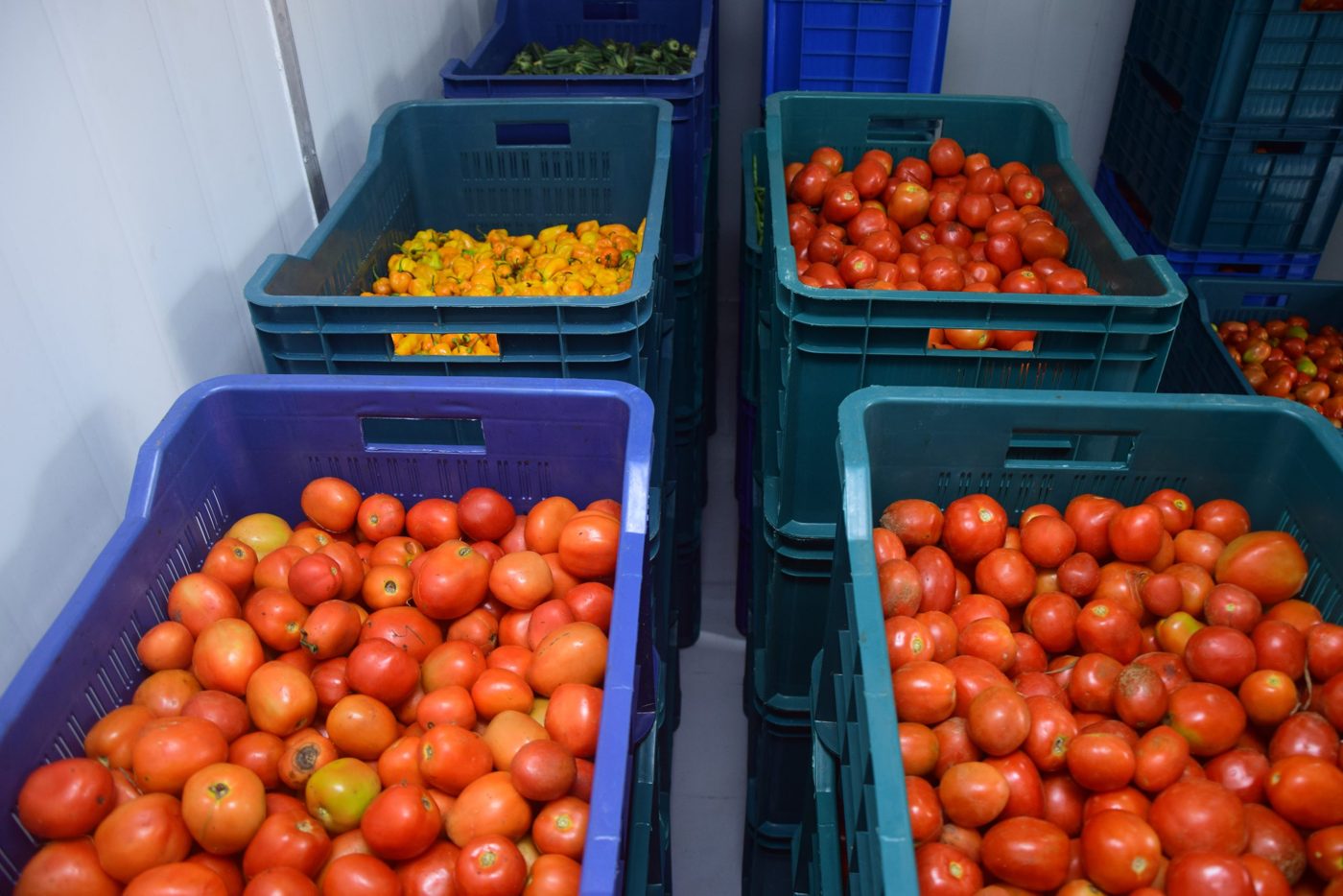
ColdHubs
Kind of aid: Replicable technology
Solar-powered cold rooms and ice points placed in outdoor food markets, produce collection centres and farm clusters. ColdHubs also offers refrigerated transport, returnable plastic crates and a monitoring app, ColdConnect.
Company figures: 11,100 farmers, retailers and wholesalers served, 13,882 tonnes of food saved from spoilage, and users' income up from US$60 to US$120 a month.
Source: ColdHubs
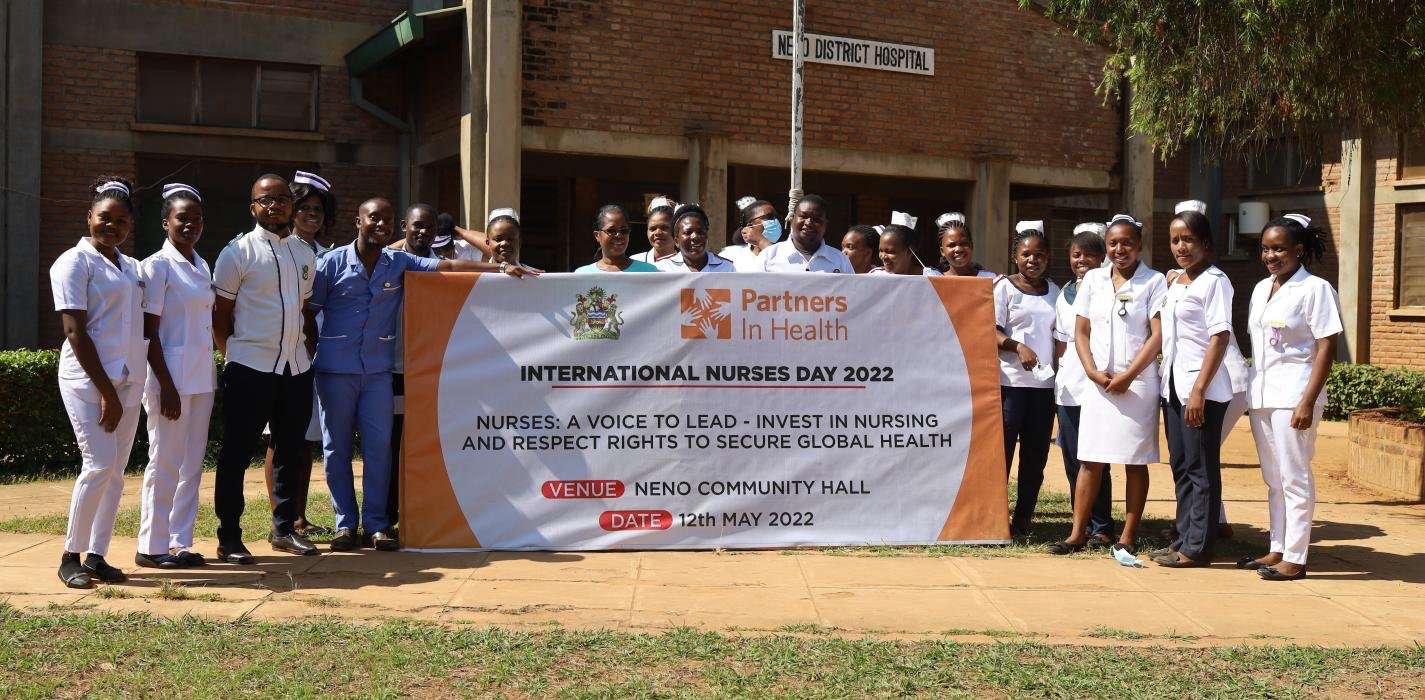 Health · Neno, Malawi
Partners In Health, Neno
Kind of aid: Community health workers
Neno is a rural, resource-poor district of Malawi with about 110,000 residents. Since 2007, Partners In Health's sister organisation Abwenzi Pa Za Umoyo has supported the Ministry of Health there. The district has a district hospital, a community hospital, 11 health centres and 78 health posts, and nearly 700 community health workers link patients to the formal health system.
These figures describe the network, not yet its health outcomes, which I still have to find. A study of its household reporting found error rates falling from 25.5% to 3.2% in about eight months (2011 to 2012).
Source: Study in Neno District (PMC) · Photo: Abwenzi Pa Za Umoyo, Partners In Health Malawi
More cases to add
What the cases teach
What changes in Case 01.
What worked
- Teaching, not only supplying. INMED and Still I Rise leave skills behind, not just goods.
- Putting the solution where people already are. ColdHubs sits in food markets and farm clusters.
- People from the community as the link. In Neno, nearly 700 community health workers connect patients to the health system.
- Designing for who uses it. INMED's systems sit at accessible heights for farmers with disabilities.
What did not
- Donations stop, and the help stops with them. I noted this for UNICEF in my thesis: donations fill needs, but leave nothing behind.
- Results are rarely measured. INMED publishes no production or income figures, ColdHubs reports its own, and for Neno I have not found health outcomes yet.
- Reach can stay below capacity. Still I Rise enrolled 134 students against room for about 280.
What I change
- A training step with every module, so the people who use it can also run it, repair it and teach others.
- A local person in charge of each module, on the model of the community health workers who link patients to care.
- Results measured from the start (food, income, health) and published with the source.